CARE GUIDE
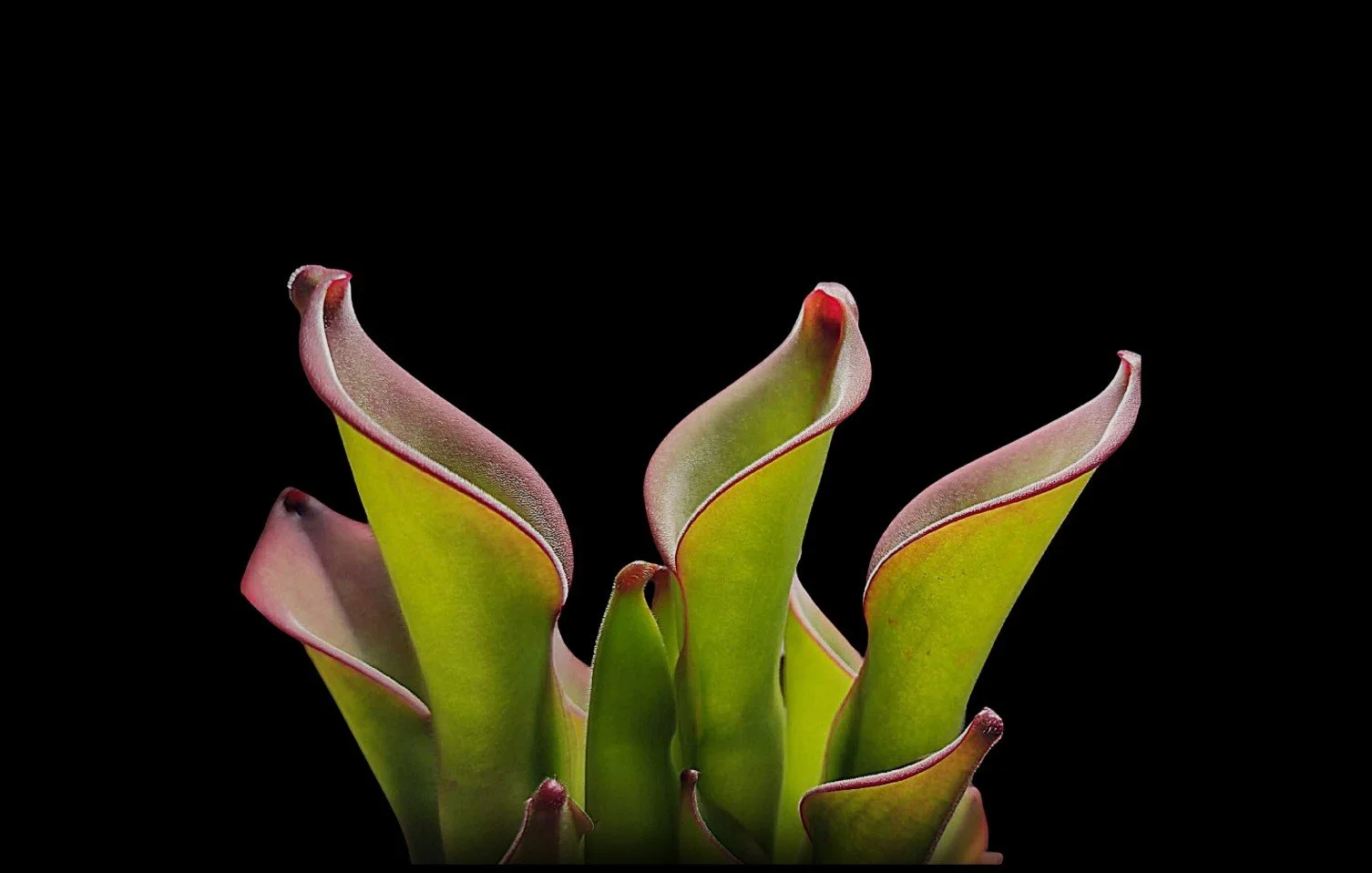
Heliamphora
(hee-lee-am-FER-uh)
Sentinels of the misty Tepuis — sculptural, otherworldly pitchers that rise from ancient cloudlands, embodying patience, rarity, and quiet majesty
‘THE MARSH PITCHER’
From Greek helios (marsh) and amphoreus (vessel), Heliamphora literally means “marsh pitcher.” These plants come from one of the most extraordinary environments on Earth — the Tepuis, or tabletop mountains, of the Guiana Highlands in Venezuela, Guyana, and Brazil.
At 1,500–2,800 m elevation, clouds swirl constantly, temperatures drop sharply at night, and sunlight filters through mist. Rainwater flows endlessly down the rock faces, creating cool, pure, oxygen-rich conditions — the complete opposite of the warm, stagnant lowlands below.
This page is your recommended blueprint for success. Use the sections below as a guide to understand what makes Heliamphora thrive — from airflow and light to water and media. With a little patience and curiosity, you’ll soon see they’re not nearly as difficult as many think. Once settled, they grow with quiet strength, producing pitchers that glow like living jewels.
For a deeper understanding of their world, we highly recommend reading our section on the history, environment, anatomy of Heliamphora], found in Discover-Heliamphora
Flora Quest’s Suggested Guide to Growing HELIAMPHORA Pitcher Plants

Light
On the tepuis, Heliamphora sit in open, high-altitude sunlight all day, but the cool air prevents burning. They receive intense light, not harsh heat.
To mimic this:
Provide bright, direct morning sun or strong artificial light (25 000–40 000 lux).
Under LEDs, cool white or full-spectrum light brings out deep reds and pinks.
Why it matters:
Without bright light, pitchers stay green and weak. In their natural environment, that constant mountain sunlight fuels their slow, steady metabolism.
Temperature
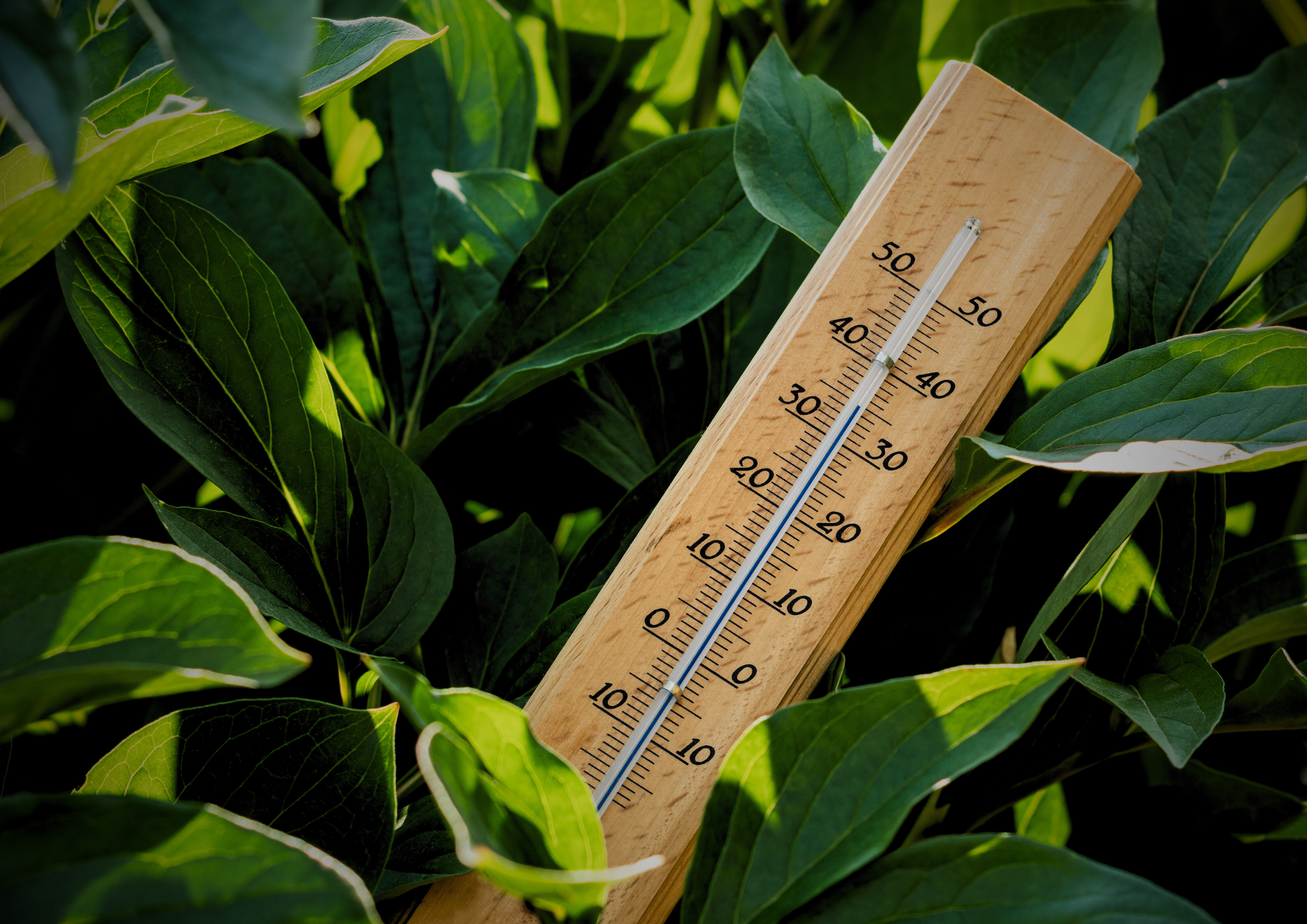
Days on the tepuis are mild, but nights plunge dramatically.
Day: 20–26 °C
Night: 10–15 °C
Why it matters:
That nightly temperature drop is essential—it signals “home” to the plant. Warm nights cause stress, thin pitchers, and leaf rot; cool nights trigger healthy respiration and vivid colouration.
Watering
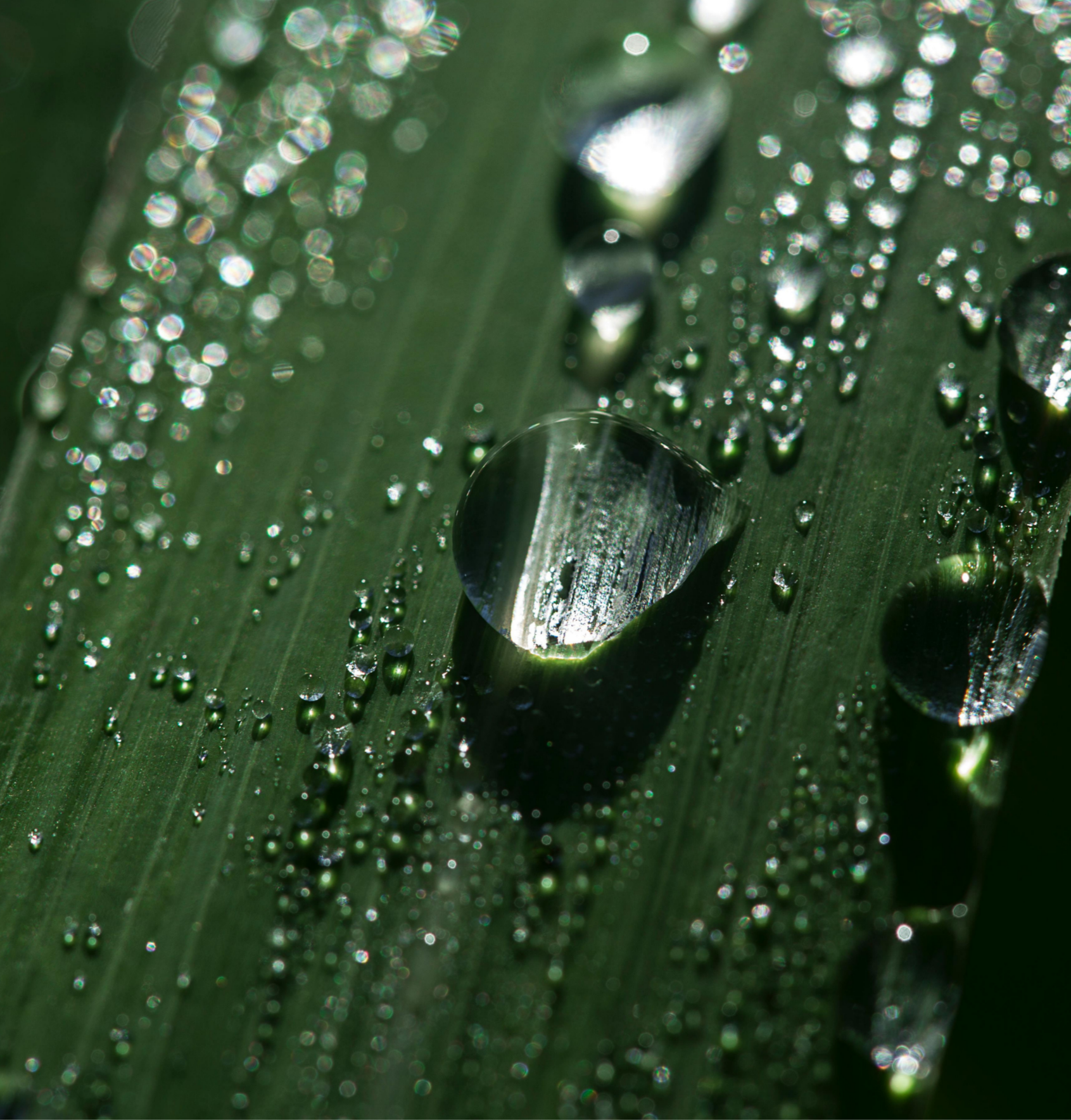
On the Tepui mountains, Heliamphora live in a world of endless rain and mist. Cool, pure water constantly flows through moss and stone, keeping their roots damp but never submerged. This steady movement of clean, oxygen-rich water is key to their survival.
Carnivorous plants like Heliamphora prefer soft, low-mineral water — just like the rainfall they receive in nature. Aim for under 50 ppm TDS, though anything below 100 ppm is still fine.
To recreate that:
If you’re in Melbourne, your tap water is soft enough for most Heliamphora. A small TDS meter can help you check, but don’t stress — consistency matters more than perfection. In other regions, use rainwater, distilled, or reverse osmosis (RO) water whenever possible.
Keep the medium consistently moist but never waterlogged. Allow water to drain freely after each watering — they thrive in humidity and movement, not standing water.
Why it matters:
Minerals and salts in hard water can accumulate and damage delicate roots. In their natural environment, even trace nutrients wash away quickly — for Heliamphora, purity isn’t optional, it’s essential.

Humidity
On their mountaintops, humidity rarely drops below 80%, yet strong winds sweep across the plateaus. High humidity and airflow go hand in hand.
Try to keep:
Humidity: 70–90%
Airflow: Gentle, constant ventilation.
Why it matters:
The combination of mist and wind prevents fungus while keeping pitchers hydrated — the secret to firm, upright growth
Potting, Repotting & Media
In the wild, Heliamphora grow among constantly renewing mosses on the Tepui mountains, where their roots never sit in decomposing material. To recreate that freshness, repot every 1–2 years to restore oxygen flow and root space — or more often if your plant grows quickly. Always use breathable pots with excellent drainage.
When repotting, handle with care — Heliamphora have fine roots attached to a brittle rhizome that can snap easily. As plants mature, sections may naturally separate from the rhizome — this is the usual method of propagation.
A reliable mix is:
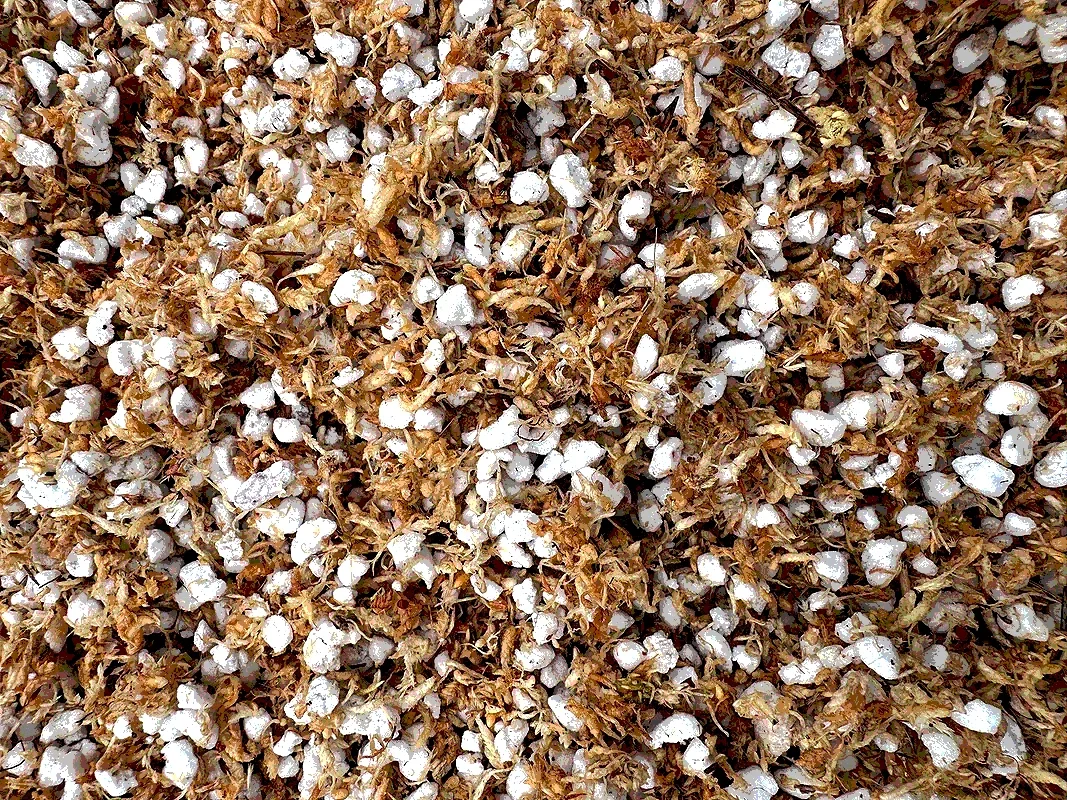
70% long-fibre sphagnum moss
30% perlite
(Optional) A surface layer of live moss adds insulation and beauty.
Sphagnum and perlite have worked extremely well for me and my growing environment, but close observation is essential when using or changing mixes — every setup is unique and may need small tweaks.
Many growers have success using other media, such as coco chips or alternative aeration materials — just experiment carefully and do a little research to see what works best in your conditions.
Why it matters:
Fresh, airy media prevents root suffocation and mimics the natural turnover of moss on the Tepuis, keeping your plants healthy, oxygenated, and strong.
Feeding
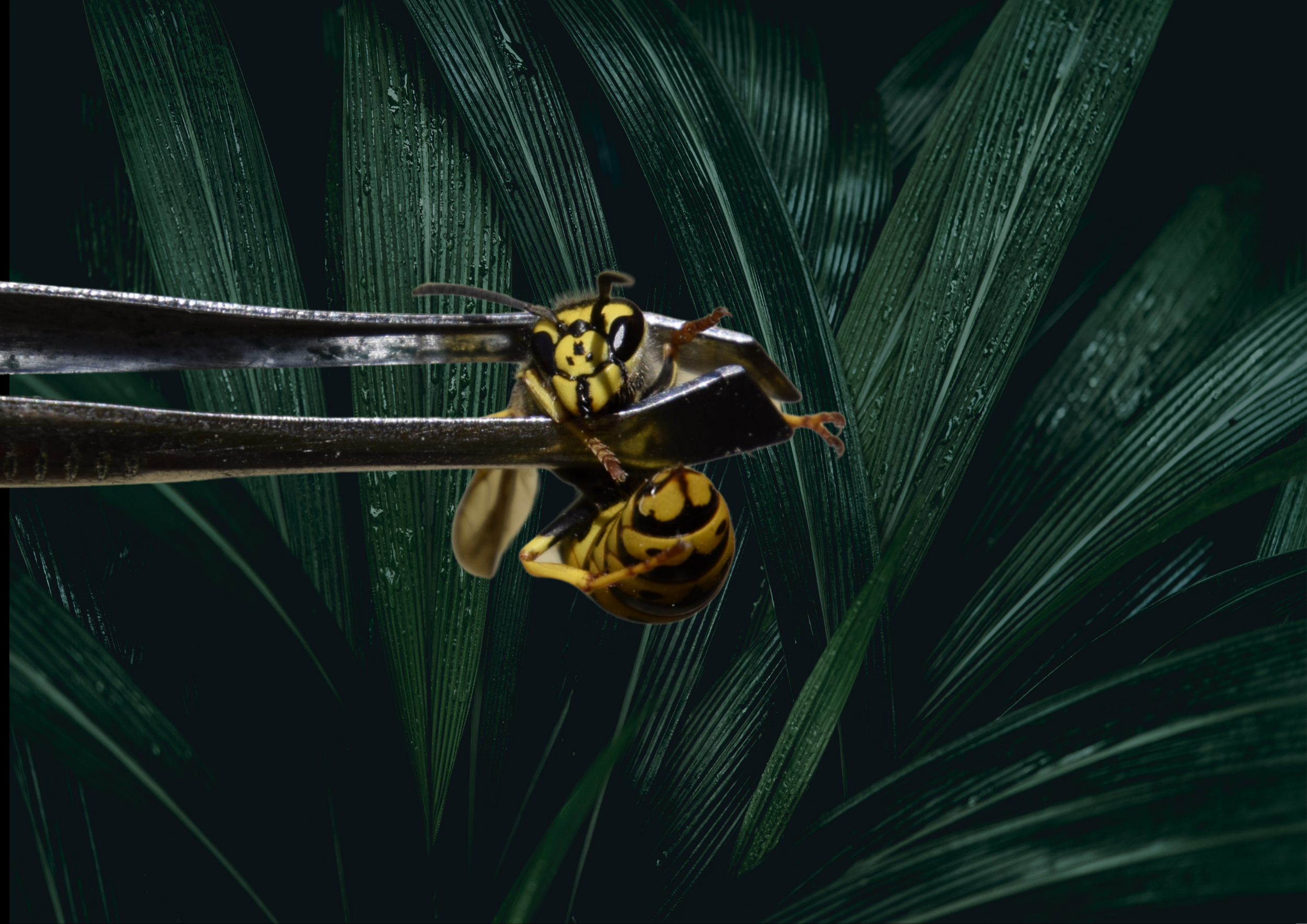
Heliamphora catch tiny insects blown across the plateau—mostly ants and small flies.
At home, feed sparingly:
Tiny insects every few weeks, or so
A very light foliar mist with 1/8-1/4 strength orchid fertiliser monthly.
Why it matters:
Fresh media mimics the natural turnover of mossy substrates, preventing root suffocation
Air Movement
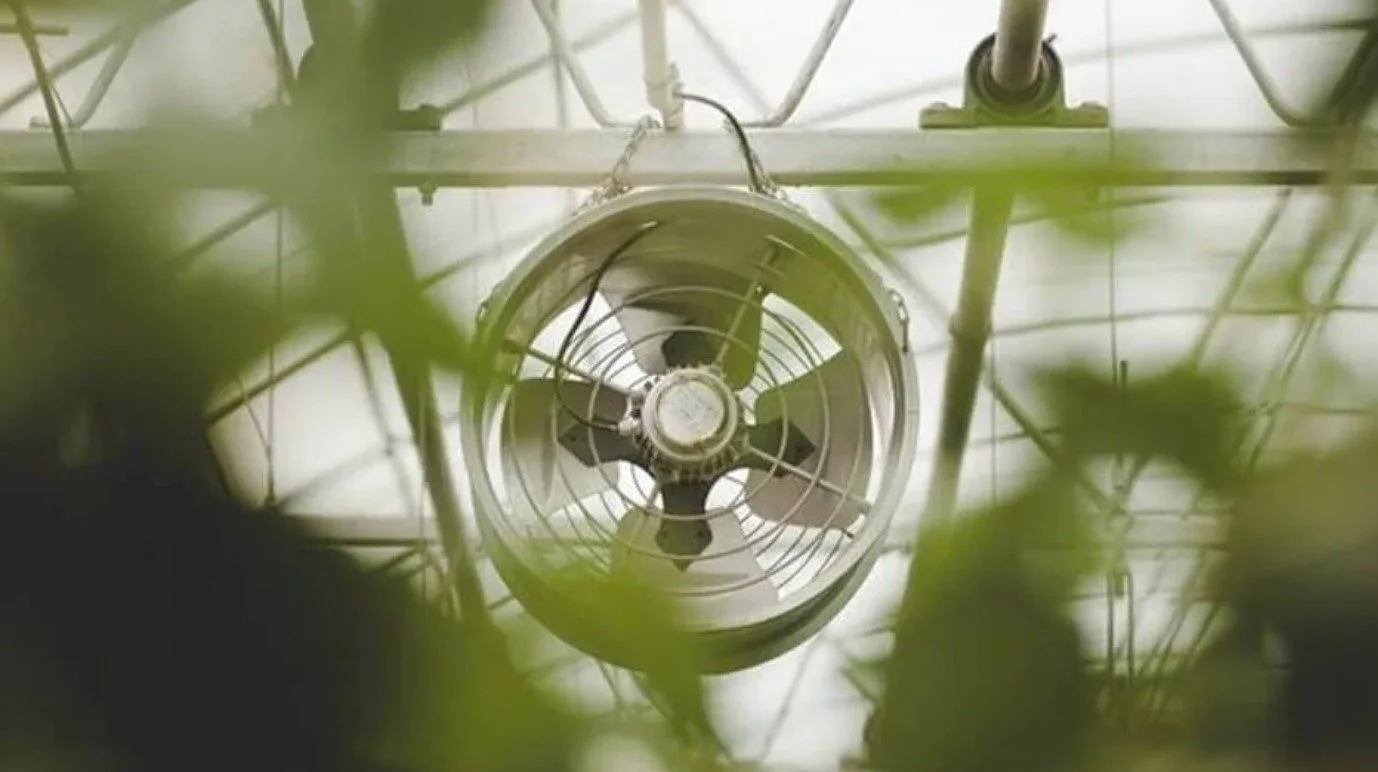
Strong, cool breezes define their habitat—air races over the cliffs day and night. Use gentle fans or vents to keep air fresh, especially if you’re running humidifiers.
Why it matters:
Without airflow, moisture lingers, inviting mould and algae. With it, pitchers stay crisp and vibrant.
A Note on Growing Styles
Every grower’s environment is unique — and that’s part of the journey.
Experiment, ask other growers what works for them, and build your own signature mix of light, humidity, and media. Take a little inspiration from everyone to create an environment that keeps your Heliamphora—and your investment—happy.