CARE GUIDE
Nepenthes
(nih-PEN-theez)
Mother Nature’s chandeliers of the jungle, hanging jewels that shift from toothy jaws to kaleidoscopes of colour, enchanting plant lovers worldwide
‘REMOVER OF SORROW’
From the Greek nepenthes, meaning “remover of sorrow,” these remarkable tropical pitcher plants live up to their name — once you start growing them, it’s hard not to stop smiling.
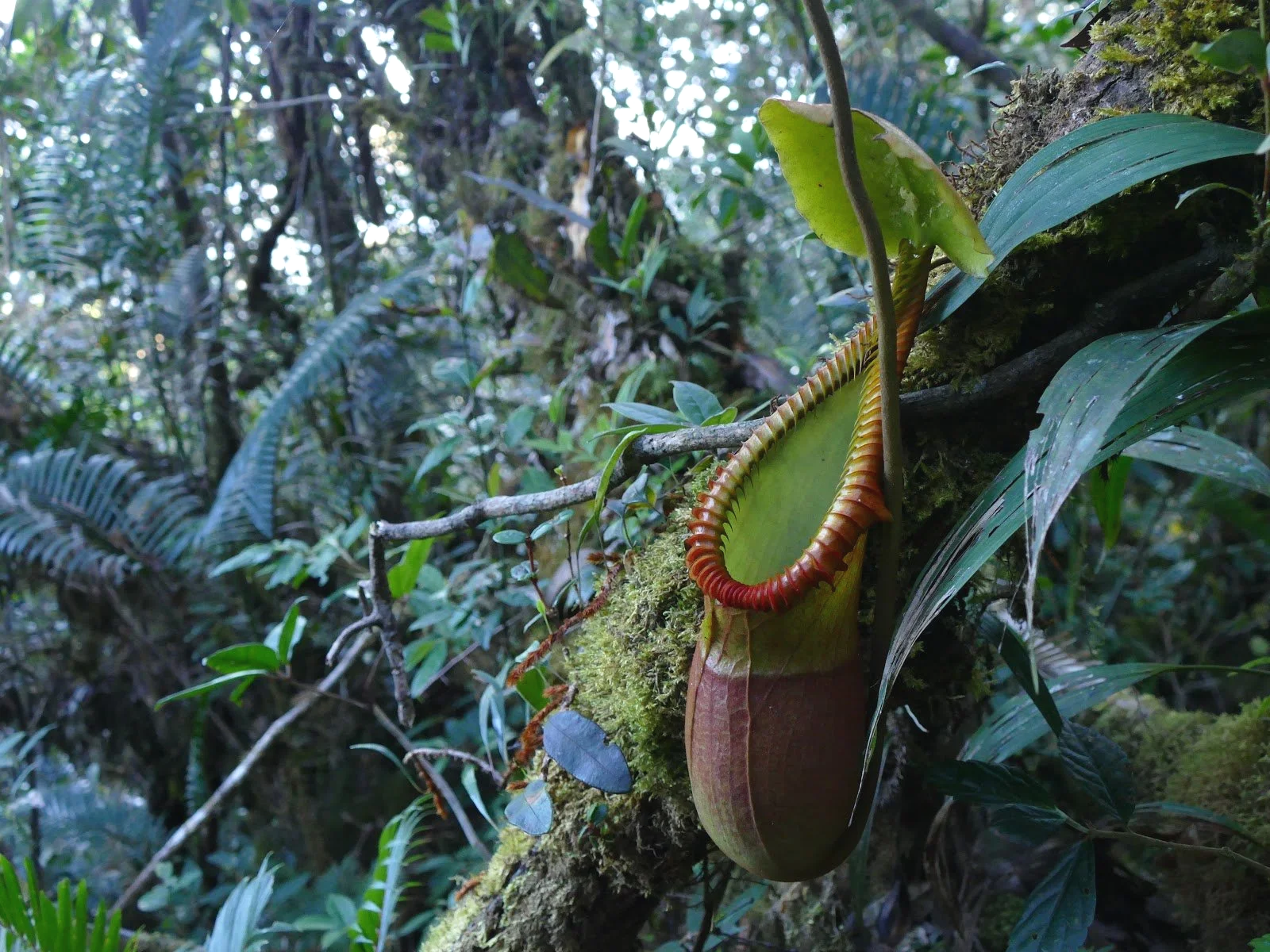
Nepenthes thrive across Southeast Asia, Madagascar, and the Pacific islands, where they’ve evolved to survive in nutrient-poor, humid environments. You’ll find them clinging to mossy trees, trailing down limestone cliffs, or spreading across jungle floors drenched in warm, tropical rain.
Because their roots can’t draw enough nutrients from the soil, they’ve developed one of nature’s most fascinating adaptations — elegant pitchers that trap rainwater and insects, creating their own natural fertiliser system.
This page is your suggested guide to growing Nepenthes successfully at home. Follow the sections below to learn how to recreate their natural rhythm — the right warmth, humidity, light, and airflow — and you’ll discover they’re far more forgiving than their exotic looks suggest. With patience and observation, your Nepenthes plants will reward you with vivid, sculptural pitchers that bring a touch of the tropics to your collection.
Flora Quest’s Suggested Guide to Growing Nepenthes Pitcher Plants

Light
In the wild, Nepenthes often grow on the edges of tropical forests, where sunlight filters through high canopies or reflects off mist. They aren’t deep-shade plants — they bask in bright, diffused light all day long.
To replicate this:
Give them bright, filtered sunlight or gentle morning sun.
Indoors, use LED grow lights for 12-14 hours a day.
Watch the leaves: deep green with no pitchers = too little light; yellow or crispy = too much.
Why it matters:
Pitchers form when the plant has enough light to produce energy but not so much that it dries out. In nature, these conditions are perfectly balanced—dappled light, constant humidity. Finding that balance at home is the key to lush growth and vivid colour.
Temperature
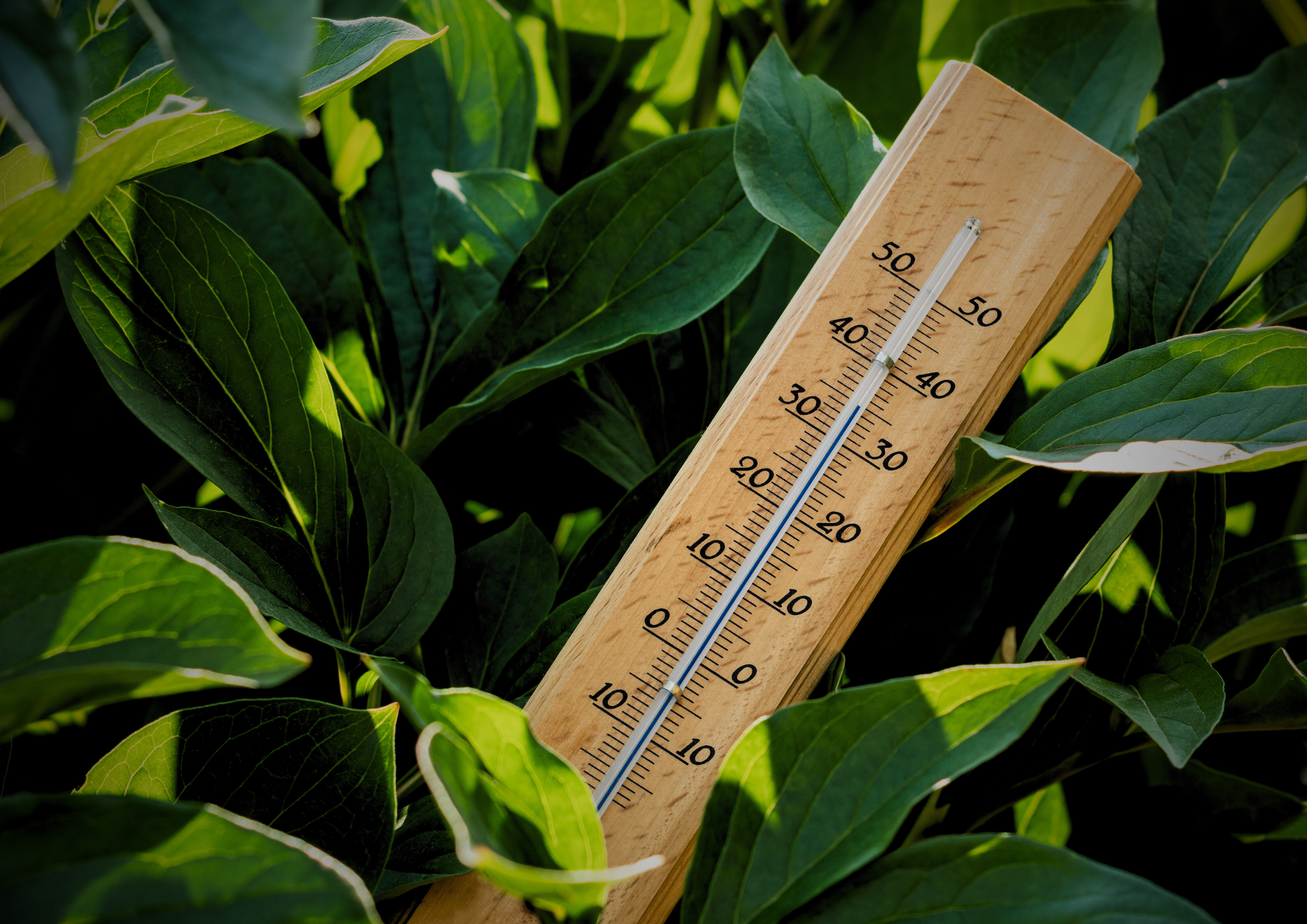
Nepenthes habitats range from hot, lowland swamps to cool, misty mountains.
Altitude defines the climate:
Lowland species (e.g. N. ampullaria, N. rafflesiana) grow near sea level in humid jungles that rarely drop below 25 °C — hot days, warm nights, heavy rainfall.
Highland species (e.g. N. rajah, N. villosa) live above 1 500 m where clouds hug the mountains — days around 22–26 °C and nights as cool as 10–15 °C.
Intermediate species and hybrids bridge both worlds, doing best around 25 °C days and 18 °C nights.
Why it matters:
These day-night swings drive metabolism and pitcher production. Highland types rely on cooler nights to “reset” their enzymes, while lowlanders never experience that chill—their biology runs on constant warmth.
Watering
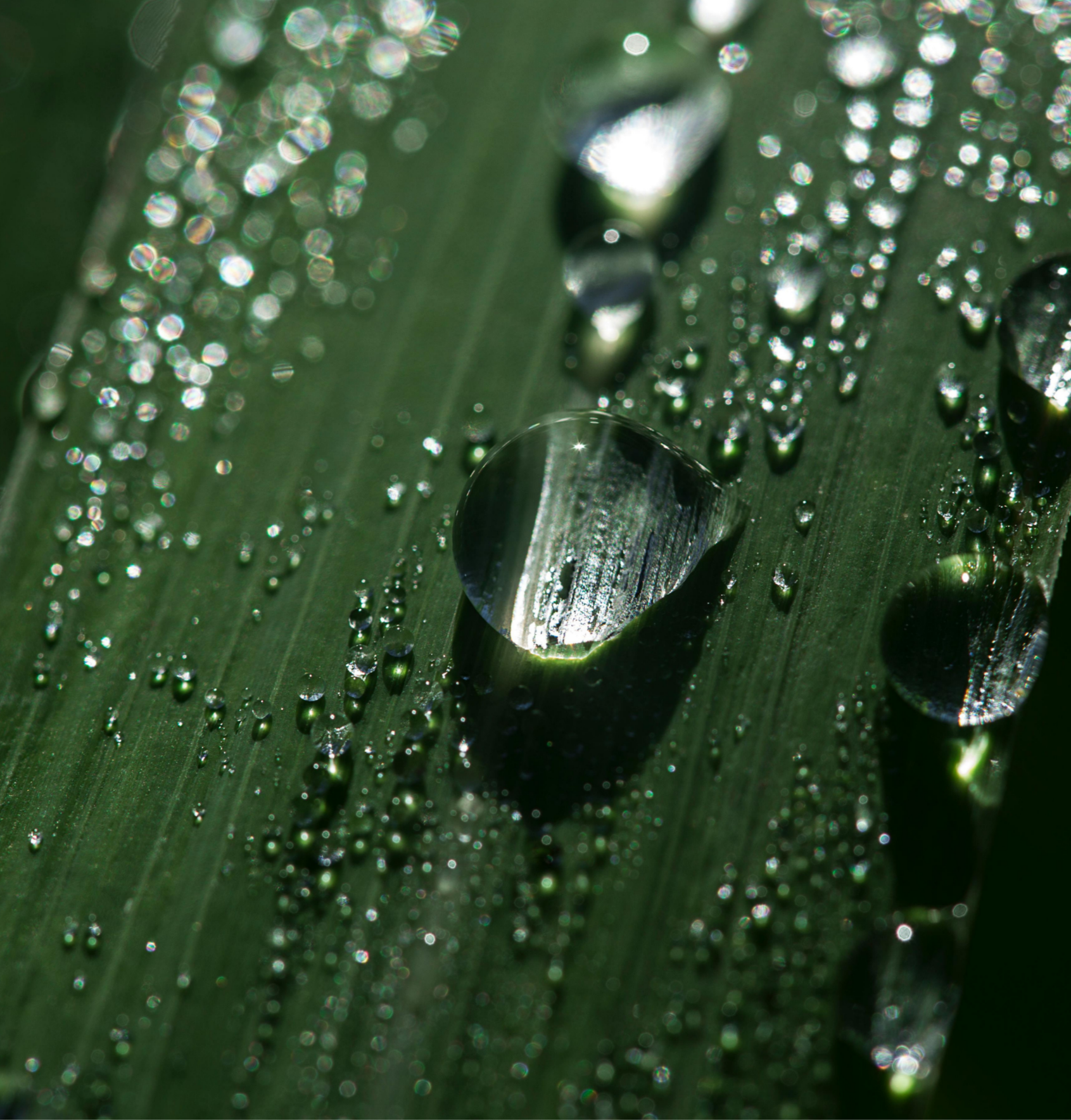
In the rainforest, Nepenthes roots are surrounded by pure rainwater that runs quickly through moss, bark, and leaf litter — never standing still. They rely on this constant flow of oxygenated, mineral-free water.
Carnivorous plants prefer soft, clean water with low minerals — just like the rain they get in nature. Aim for under 50 ppm TDS, but anything below 100 ppm is fine.
To recreate that:
If you’re in Melbourne, your tap water is soft enough for most plants. A small TDS meter can help you check, but don’t stress — keep it clean and your plants will thrive.. In other areas try to use rain, distilled, or reverse osmosis water only.
Keep the medium moist but never waterlogged.
Let water drain completely after each watering — they love humidity, not drowning.
Why it matters:
Minerals and salts found in tap water accumulate in the soil and can burn delicate roots. In nature, even trace nutrients wash away quickly—purity is everything.

Humidity
In the jungle, humidity often sits above 80%+, but there’s always movement — breezes, rising heat, and rainfall keep air circulating.
Try to maintain:
Humidity: 60–80% (higher for young plants)
Airflow: Gentle but constant.
Why it matters:
Fresh media restores oxygen flow, prevents salt buildup, and triggers new root growth — just like in the rainforest floor after a storm.
Potting, Repotting & Media
IMany growers have success using different media blends — such as coco chips, orchid bark, or other airy materials — but experiment carefully and do a little research to find what works best for your setup.
In the wild, Nepenthes grow in constantly damp but airy conditions — climbing trees, clinging to mossy branches, or anchoring in loose forest litter where water drains freely. Their roots love oxygen and moisture, but not stagnation.
To recreate this balance, repot every 1–2 years or when the mix starts to compact. Choose breathable pots with good drainage and light airflow around the roots.
When repotting, handle the root system gently — Nepenthes roots are soft and easily damaged. A gentle touch now will save weeks of recovery later.
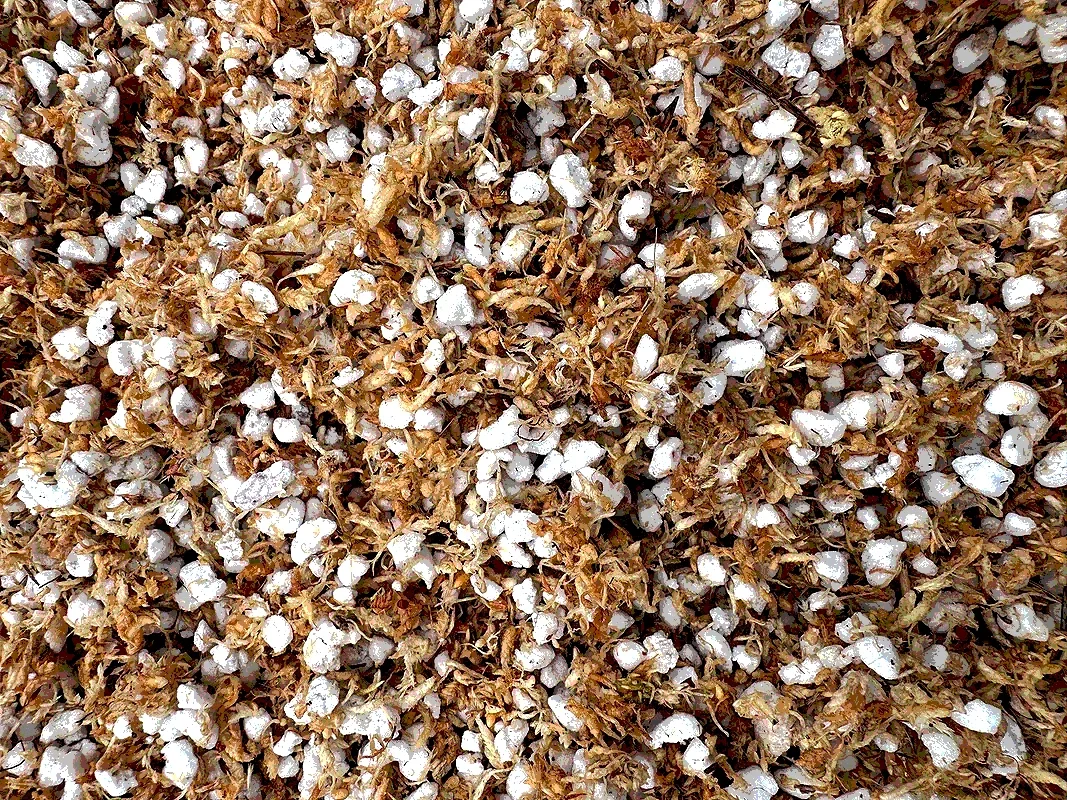
A simple, effective mix is:
70% long-fibre sphagnum moss
30% perlite
(Optional) A top layer of live moss keeps humidity stable and adds a natural look.
This combination provides moisture, airflow, and support — the key ingredients for healthy root growth.
Personally, I use 70% sphagnum moss and 30% perlite, which has worked extremely well in my growing environment. Close observation is important when using or changing media; every setup is unique and may need small adjustments.
Why it matters:
Loose, airy mixes mimic the natural, rain-washed forests where Nepenthes evolved. They prevent root rot, support steady pitcher production, and help your plants grow stronger over time.
Feeding
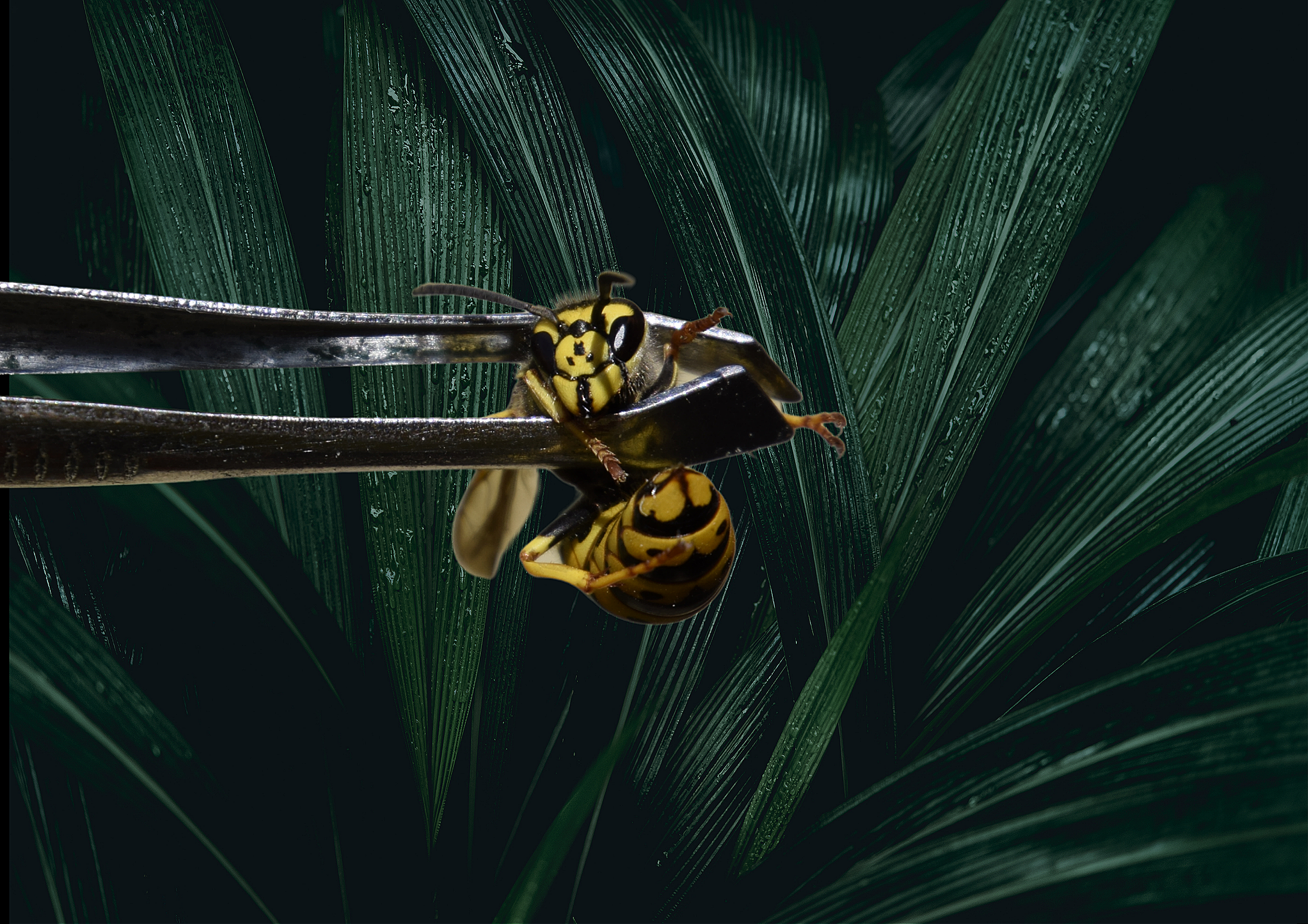
On tree branches or cliff faces, pitchers catch insects carried by wind or rain—ants, flies, beetles, even small frogs. Outdoors, they’ll feed themselves; indoors, they need a little help.
Try:
Small insects (e.g. dried mealworms or crickets).
¼-strength orchid fertiliser in the pitcher once a month.
Why it matters:
Feeding keeps plants vibrant and growing strong, but overdoing it—especially into the soil—upsets their delicate balance.
Air Movement
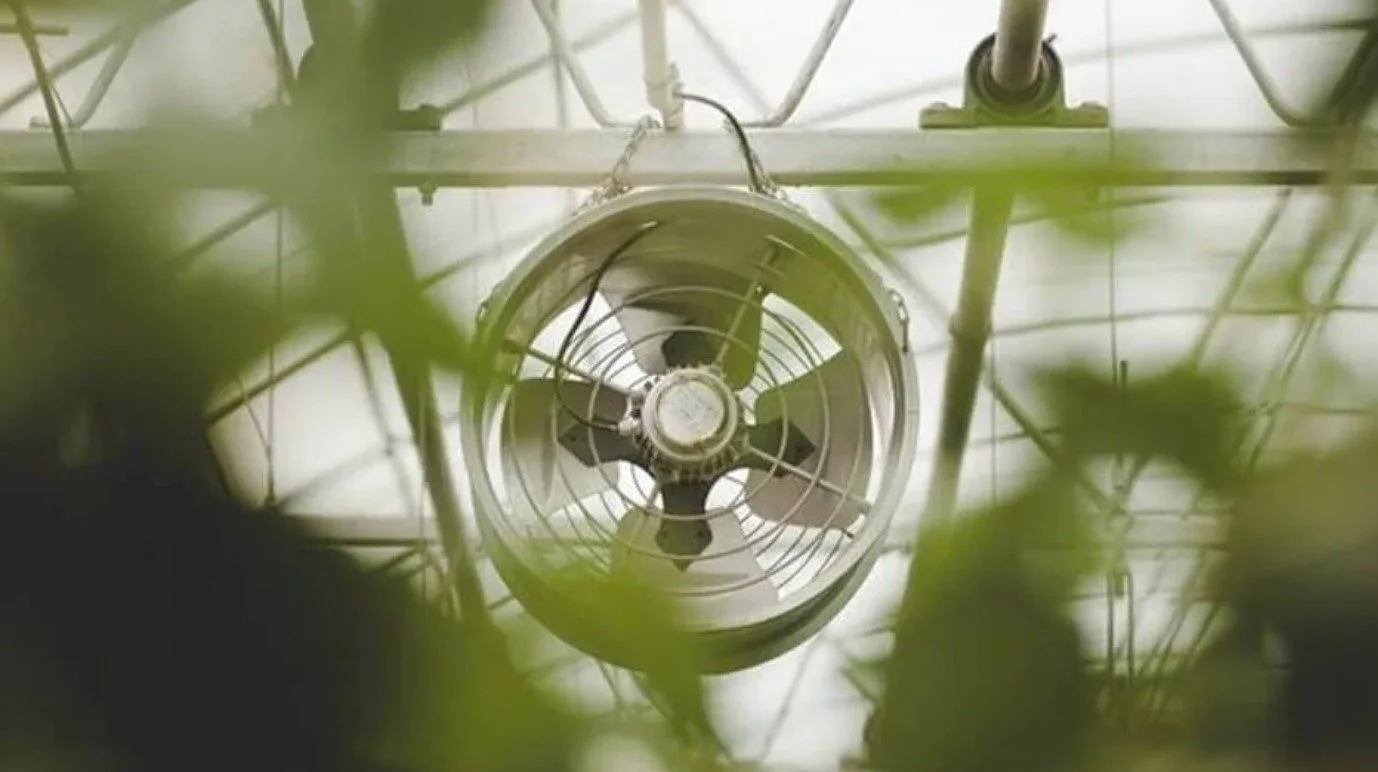
In nature, warm air rises through canopies, carrying moisture upward. That constant airflow cools leaves and keeps fungus away. Recreate it with a gentle fan or open-vent greenhouse.
Why it matters:
Air circulation helps pitchers form, prevents mould, and keeps the environment healthy—just like the mountain breezes Nepenthes evolved under.
A Note on Growing Styles
Every grower’s environment is unique — and that’s part of the journey.
Experiment, ask other growers what works for them, and build your own signature mix of light, humidity, and media. Take a little inspiration from everyone to create an environment that keeps your Heliamphora—and your investment—happy.